The easiest way to get that café-style “tea latte” feeling at home is to let black tea steep hard in a small amount of water first, then mellow it out with whole milk before it ever hits a full boil. This royal milk tea comes out a deep amber-brown with a toasty aroma and a silky, comforting finish—sweetened just enough to round the edges.
I make this when I want something warm and rich but not heavy, and I want it fast. If you’re curious about the cooking voice behind Citrus and Crave, you can peek at my recipe developer background—but truly, this one is all about simple technique and good tea.
Why You’ll Love This Recipe
- It tastes like strong black tea softened by creamy milk—bold up front, smooth on the finish.
- The method builds real flavor: simmering the tea briefly in water turns it a deep amber-brown before the milk goes in.
- Whole milk gives a naturally velvety texture without any extra ingredients.
- You control the sweetness precisely (1–2 teaspoons or more), so it can be lightly sweet or dessert-leaning.
- It’s quick: the tea only needs about 2 minutes of gentle simmering to get that concentrated brew.
The Story Behind This Recipe
I started making royal milk tea at home because I wanted that cozy, milk-forward cup without pulling out special powders or syrups—just tea bags, water, milk, and sugar. The little trick is keeping the milk hot but not boiling, so the flavor stays clean and the texture stays smooth.
What It Tastes Like
Expect a deep, malty black tea flavor (especially with Assam), wrapped in warm whole-milk richness. The aroma is toasty and familiar, and the sweetness—however much you choose—takes away any sharp edges without masking the tea. Done right, it drinks creamy and comforting, not watery.
Ingredients You’ll Need
This recipe is intentionally minimal, so each ingredient matters. Black tea provides the backbone (choose Assam for malty strength, Darjeeling for a lighter lift, or English Breakfast for a balanced cup). Whole milk is what gives royal milk tea its signature silky body, and sugar is there to soften bitterness and bring out the tea’s caramel notes. If you want to understand how reader data is handled on this site, you can review the privacy policy.
- 2–3 bags black tea (Assam, Darjeeling, or English Breakfast)
- 1 cup water
- 1½ cup whole milk
- 1–2 teaspoons sugar (or more)
How to Make Royal Milk Tea
- Boil the water. Pour the water into a small saucepan and bring it to a full boil.
- Simmer the tea to concentrate it. Add 2–3 tea bags, then immediately lower the heat so it gently simmers (not a rolling boil). Simmer for about 2 minutes, until the liquid turns a deep amber-brown and smells clearly “tea-forward.”
- Add the milk and warm gently. Pour in the whole milk and heat it slowly, stirring now and then. Watch the surface: you want it steaming and hot, but stop before it boils (boiling can dull the tea flavor and can make the milk taste a little “cooked”).
- Remove tea bags and sweeten. Lift out the tea bags, letting them drip back into the pot for a moment. Stir in sugar until fully dissolved, taste, and add more if you want it sweeter.
- Serve hot. Pour into mugs while it’s steaming and smooth.
Tips for Best Results
- Choose your tea based on intensity: 2 bags makes a gentler cup; 3 bags gives a bolder, more “royal” tea flavor that stands up to the milk.
- Keep the tea at a gentle simmer, not a hard boil. A hard boil can push the tea toward harsh bitterness; you’re aiming for deep color without sharp edges.
- Don’t let the milk boil. When tiny bubbles start collecting around the edges and steam rises steadily, you’re there—turn it off before it starts heaving or foaming up.
- Sweeten while hot. Sugar dissolves fastest in the hot tea-milk base, giving you a clean, even sweetness with no gritty settle at the bottom.
- Taste after removing the bags. Tea strength changes quickly; tasting at the end helps you decide whether to add a touch more sugar to balance.
Variations and Substitutions
- Tea choice swap: Use Assam for a darker, maltier cup; Darjeeling for a lighter, more fragrant cup; English Breakfast for a classic middle ground.
- Sweetness level: Start with 1 teaspoon sugar for lightly sweet, then work up to 2 (or more) if you want it closer to a treat.
- Milk preference: Whole milk gives the best body; using a lower-fat milk will make the drink less creamy and a bit more tea-forward.
How to Serve It
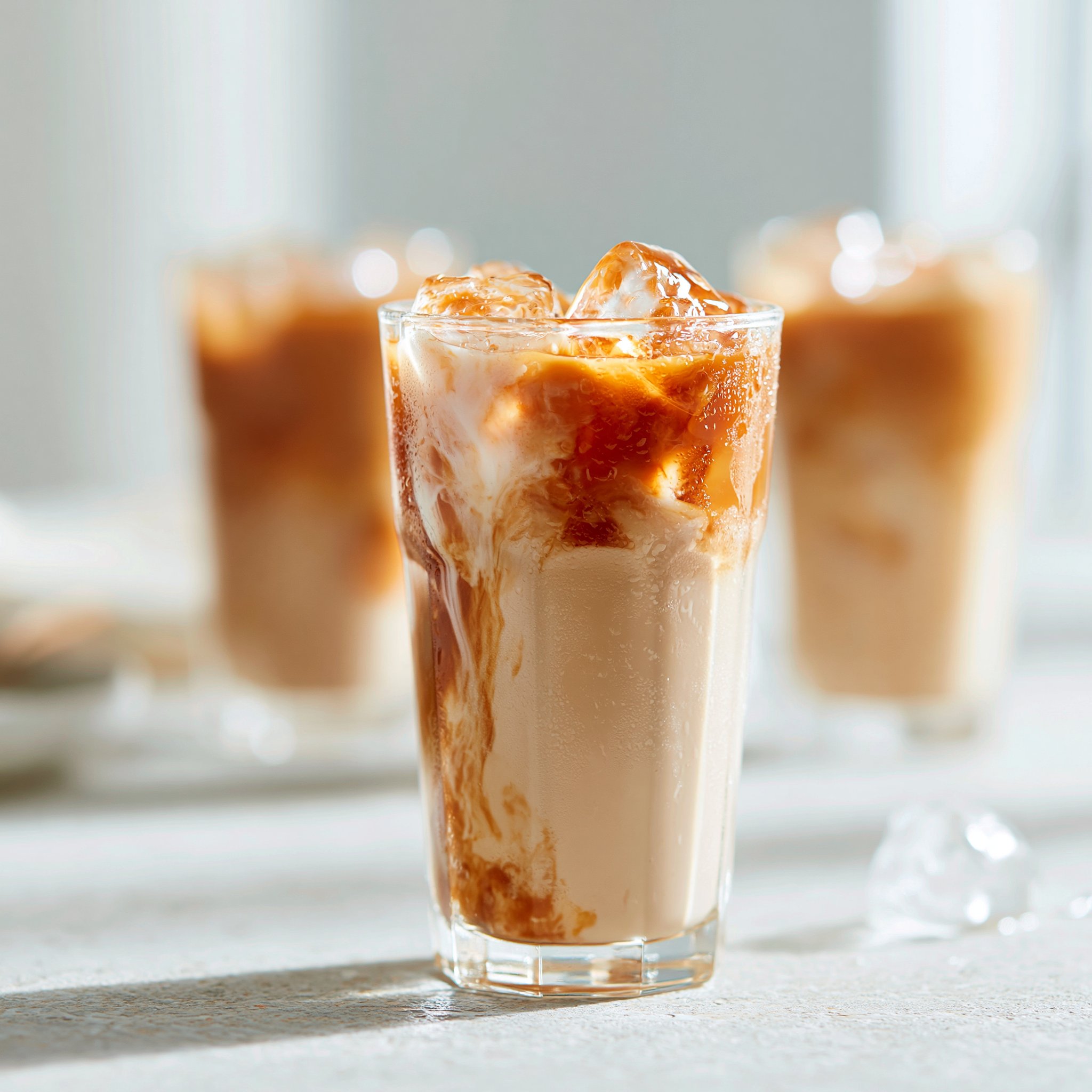
Serve it straight in a warm mug while it’s steaming—this drink shines when it’s hot and silky. If you like a sweeter café feel, stir in that extra teaspoon of sugar and sip it alongside something simple and buttery. For site details around usage and browsing data, you can read the cookie policy.
How to Store It
Royal milk tea is best right after making, when the tea aroma is strongest and the milk tastes freshest. If you do have leftovers, cool them and refrigerate in a covered container, then rewarm gently on the stove until steaming—avoid boiling so it stays smooth. Before rewarming, give it a good stir since the tea and milk can slightly separate as it chills. For additional site guidelines, you can reference the terms and conditions.
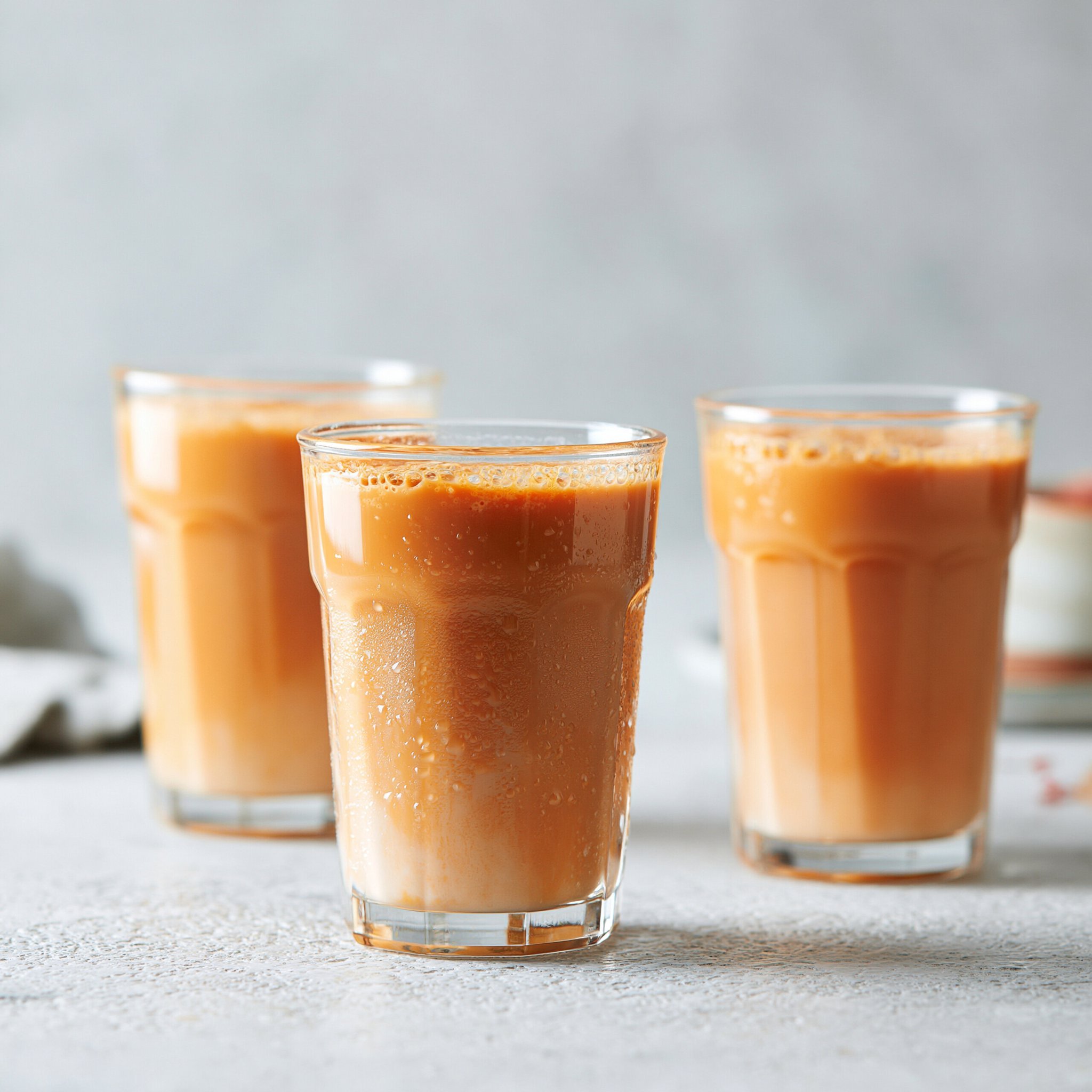
Final Thoughts
If you can boil water and keep milk just below a boil, you can make a truly satisfying royal milk tea—deep amber, gently sweet, and creamy without being fussy. If you have questions about general recipe information on this site, see the recipe disclaimer.
Conclusion
If you’re looking for shortcuts or fun comparisons, you can browse a ready-to-drink option like Royal Milk Tea 12 Pack, check out the oddly satisfying (non-edible) novelty of Royal Milk Tea Slime, or read a tea-focused review of Lipton’s British Style Royal Milk Tea to see how other versions compare.