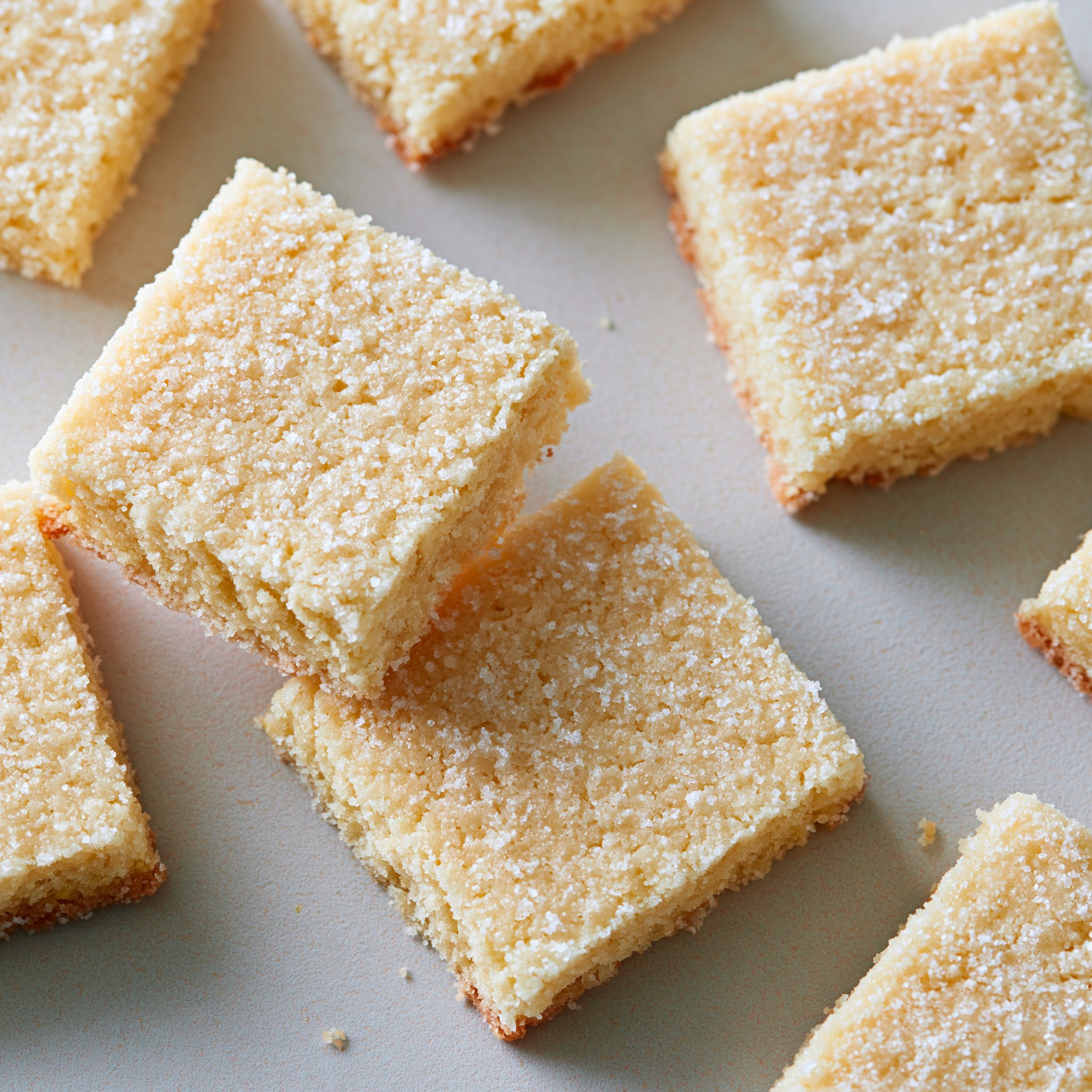
These classic shortbread cookies are the kind of bake that makes your kitchen smell softly buttery and vanilla-warm in under 20 minutes. The tops stay pale and tender, but the bottoms turn just barely golden—so you get that clean snap at the edge and a melt-in-your-mouth center.
It’s a four-ingredient dough that behaves beautifully once you know what to look for: it should feel like damp sand when you squeeze it, then roll out smoothly between parchment without any extra flour. If you’re curious about the voice behind Citrus and Crave, you can peek at my approach to recipe testing and storytelling.
Why You’ll Love This Recipe
- The texture is the payoff: crisp, lightly browned bottoms with tender, sandy-short interiors.
- Only four ingredients (butter, powdered sugar, vanilla, flour) means the butter flavor actually shines.
- Rolling between parchment keeps the dough neat and prevents adding extra flour that can make shortbread dry.
- The “coarse crumbs” stage is a helpful checkpoint—you’re not trying to whip air in, just bring it together.
- They bake quickly at 325°F, and the doneness cue is clear: pale tops, barely golden bottoms.
The Story Behind This Recipe
I come back to this shortbread when I want something quiet and reliable—no fuss, no chill time, just a buttery dough that rolls out cleanly and bakes into cookies that look simple but feel intentional, especially when you cut them into bold 3-inch rounds.
What It Tastes Like
These cookies taste rich and buttery with a gentle vanilla perfume and a smooth sweetness from powdered sugar (no grit). The crumb is delicate—almost dissolving—while the edges stay crisp, and that contrast is exactly why pulling them at “pale on top, barely golden underneath” matters.
Ingredients You’ll Need
Because there are only four ingredients, each one has a job: softened butter provides the structure and flavor, powdered sugar keeps the crumb fine and tender, vanilla adds a soft bakery aroma, and all-purpose flour gives the dough its sandy, press-together texture. For best results, make sure your flour is fluffed before measuring so you don’t accidentally pack in too much; for more site details around usage and kitchen notes, I keep it spelled out in the site terms and conditions.
- 1 cup softened butter
- 3/4 cup powdered sugar
- 1/2 teaspoon vanilla extract
- 2 cups all-purpose flour
How to Make Classic Shortbread Cookies
- Heat the oven and prep pans. Preheat to 325°F. Line two lightly colored baking sheets with parchment paper (light pans help you avoid over-browning the bottoms).
- Mix to coarse crumbs. In the bowl of a stand mixer, combine the softened butter, powdered sugar, vanilla extract, and all-purpose flour (fluff the flour before measuring). Mix on low speed until the mixture looks like coarse, sandy crumbs—not a smooth batter.
- Do the squeeze test. Grab a small handful and squeeze: it should hold together like damp sand. If it won’t clump at all, keep mixing briefly on low—shortbread dough comes together quickly once it starts to catch.
- Roll between parchment. Gather the dough into a ball, then roll it between two sheets of parchment to about 1/3 to 1/2-inch thick. You’re aiming for an even slab so the cookies bake uniformly.
- Cut and transfer. Cut into 3-inch circles (or your favorite shapes) and transfer to the prepared baking sheets. Keep the shapes consistent so bake time stays predictable.
- Bake until just kissed with color. Bake for 12–15 minutes. Look for bottoms that are barely golden brown while the tops stay pale—that’s the sweet spot for tender shortbread that still snaps at the edges.
- Cool in stages. Let the cookies cool on the hot trays for 5 minutes (they’re fragile right out of the oven), then move them to cooling racks to cool completely.
- Store. Keep in airtight containers for up to 5 days.
Tips for Best Results
- Use truly softened butter. It should dent easily when pressed, so it blends without overworking; cold butter can leave dry pockets of flour.
- Stay on low speed. You’re not trying to aerate—mixing gently helps keep the crumb fine and “short,” not bready.
- Trust the pale top. If you wait for the tops to color, the bottoms can go too dark; pull them when the underside is just turning golden.
- Roll evenly. An uneven slab means some cookies will be crisp and others too soft; take an extra 30 seconds to even the thickness.
- Let them set on the tray first. The 5-minute tray rest prevents breakage and finishes the structure as the butter firms.
For transparency about general recipe guidance and kitchen safety notes, I outline that in the recipe disclaimer.
Variations and Substitutions
- Shape change: Stick with the same thickness (1/3 to 1/2-inch) even if you switch cutters—thickness matters more than shape for bake time.
- Vanilla tweak: You can slightly increase or decrease the vanilla extract to taste, but keep it subtle so the butter still leads.
- Texture note: If you roll thinner than 1/3-inch, expect a crisper, more snappy cookie and a shorter bake—watch the bottoms closely.
If you’d like to know how this site handles data when you browse or save recipes, you can read the privacy policy.
How to Serve It
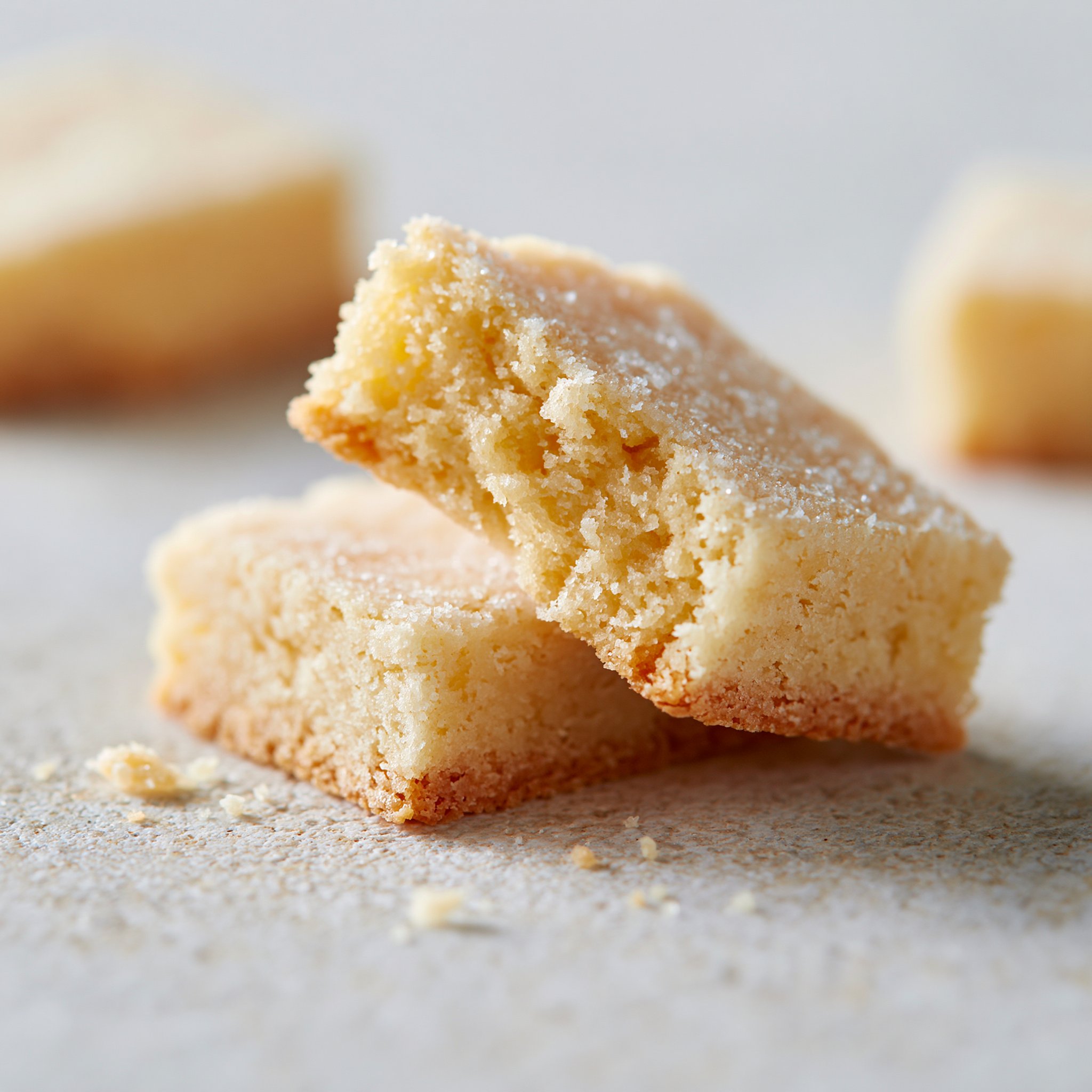
Serve these completely cooled so the crumb fully sets—warm shortbread can feel a little fragile. I love them with coffee or black tea, or simply stacked on a plate where you can see the pale tops against the faintly golden edges. They’re also a nice “simple-sweet” alongside fruit, since the vanilla-butter flavor doesn’t compete.
How to Store It
Store shortbread in an airtight container at room temperature for up to 5 days. Let the cookies cool completely before sealing them up so you don’t trap warmth and soften the edges. If you’re browsing recipes on a device that uses site cookies, my cookie policy explains what that looks like.
Final Thoughts
This is one of those back-pocket bakes: four ingredients, one bowl, and a very clear finish line—pale tops, barely golden bottoms, and that buttery snap. Once you make them once, you’ll start recognizing the dough by feel, and it becomes almost effortless.
Conclusion
If you want to compare techniques and see other takes on classic shortbread, I like reading Classic Shortbread Cookies – 101 Cookbooks for its thoughtful approach, classic shortbread – smitten kitchen for its practical baking notes, and Classic Shortbread Cookie Recipe (Only 4 Ingredients!) – The Kitchn for a straightforward, minimal-ingredient perspective.